Podcast

Tuesday, December 28, 2021

The Expanded Ultimate Story Checklist: And is the hero willing to let them know that, subtly or directly?

But it’s not enough to stand out from the crowd simply as a counterexample. Most heroes should feel compelled to point out the flaws of those around them, either loudly or quietly (or sometimes just in muttered asides). 

It’s funny that what we consider sympathetic in a hero is very different from what we find sympathetic in real life. We want our friends to be sensible, but we have very little patience for sensibility in fiction. We want our heroes to be willful. This doesn’t mean that every hero needs to be brashly defiant. There are a lot of ways for heroes to stand up for themselves.
  • Sometimes, yes, heroes will engage in angry confrontation. 
  • Other times, they subtly mock or impeach what the other character is saying. 
  • Sometimes they’ll just quietly and brazenly ignore all opposition, which is a more direct type of defiance. 
  • Weaker characters may acquiesce but mutter sarcastic asides as they do it. 
  • In some cases, heroes fail to stand up for themselves, but they at least get their own say in first-person narration or voice-over. If characters won’t hold their own in person, they at least let us know about their defiance. 
But if you don’t want your heroes to be compliant, how do you straighten them out? After all, they have big flaws. Don’t they need to accept a lot of good advice? No, they need to reject a lot of bad advice. In a great scene from the classic drama Hill Street Blues, the chief desperately seeks out his AA sponsor, hoping to be convinced not to relapse. He finds the sponsor at a restaurant, where the sponsor unexpectedly mocks the program and our hero’s problems. Then the waitress brings out that drink the sponsor ordered. Our hero has seen what a relapse looks like, and that’s what he really needed. Rejecting bad advice is far more powerful for him than accepting good advice.

Our urge to see heroes defy authority can go to ludicrous extremes. The producers of 24 joked that whenever a script came in short, they had one stock scene they could use repeatedly because the audience would love it every time. Before President Palmer took whatever action he had decided to take, they’d have one of his aides run up to him and say, “Mr. President, wait! We just got some new poll numbers about this issue, and everybody disagrees with what you’re about to do!” Palmer would consider this gravely for about five seconds, then issue a stentorian statement: “I don’t care if they impeach me—it’s the right thing to do.” With that, he would boldly stride off into the situation room while his aide’s mouth hung agape.

Is this how we want a president to act in real life? Absolutely not. In real life, when presidents double down on their current agenda, even after the polls are screaming for them to reverse course, the American people become dispirited and depressed, and we blame their intransigence on corruption. But in our fiction, it’s a different story.

Compare this to later seasons of 24, in which President Palmer’s more pliable, poll-following brother inherited the Oval Office. He was perfectly nice, but the audience hated that guy. We all dream of saying no to our boss, and we want our fictional heroes to live that dream, even if the hero’s boss happens to be the American people.

The 40 Year Old Virgin

YES. “I’m tired of saying the word ‘pussy’!”

Alien

Sort of. She’s very hesitant to speak up at first, to the degree that we don’t even guess she’s the ultimate hero. She lets herself be steamrolled over when she tries to maintain quarantine, for instance…but she gradually becomes more and more assertive as she grows into her hero role.

An Education

YES. In muttered sarcastic asides, yes.

The Babadook

YES. Very directly.

Blazing Saddles

YES. Gladly.  And when it’s not safe to tell them that to their face, he turns to us and tells us.

Blue Velvet

NO.  He’s polite and softspoken, hiding his internal turmoil. He certainly has qualities that those around him lack, but he’s in no hurry to let them know that out loud. His roiling internal contradictions become clear to us through his shocking actions, not because he speaks up to share his unique point of view.

The Bourne Identity

YES. He’s reluctant to speak up, but quick to act, so he’s assertive in his own way.

Bridesmaids

YES. in a petulant-mumbled-aside kind of way.

Casablanca

YES. he has a razor-sharp rapier wit

Chinatown

YES. Very much so.  He’s openky surly and defiant of everyone. 

Donnie Brasco

Yes and no.  In the mob, he lacks a forceful personality. This is in fact the secret of his success: his ability to blend into the background. He mostly keeps his own counsel until directly confronted.  Outside the mob, however, he’s quick to complain and mock his bosses’ incompetence.

Do the Right Thing

YES. Yes, he stands up to both Pino and Buggin’ Out, trying to chill them both out.

The Farewell

YES. Many times

The Fighter

Yes and no.  He’s very reluctant to, but he speaks up for himself at several key points. 

Frozen

YES. Sort of.  Like so many heroines, she is the master of the muttered aside. 

The Fugitive

YES. Not verbally, but he pointed refuses to stop doing what he’s doing whenever others tell him to back off.  

Get Out

YES. He gently points out to Rose her seeming naivete, but mainly just reacts to everyone with pointedly-quizzical looks.  He laughs off Rod. 

Groundhog Day

YES. Constantly. 

How to Train Your Dragon

YES. but only in muttered asides. 

In a Lonely Place

YES. Very much so, he has a razor-sharp rapier wit

Iron Man

YES. Very much so. He verbally humiliates friends and enemies alike. 

Lady Bird

YES. Not so much with her friend (which is good), but certainly with her family. 

Raising Arizona

NO. he’s reluctant to criticize

Rushmore

YES.

Selma

YES. He’s an expert at standing up for himself while still molifying his opponent, whether it be SNCC or Johnson.  

The Shining

YES. Jack, yes: he’s a snapping, snarling beast.  Danny: no.

Sideways

YES. He has a withering, sharp wit. 

The Silence of the Lambs

YES. Stands up for herself in a humble but definite way.

Star Wars

YES. He doesn’t boast about the force, but he certainly boasts about his home-grown shooting abilities.

Sunset Boulevard

YES. he has a razor-sharp rapier wit.

Monday, December 27, 2021

The Expanded Ultimate Story Checklist: Is the hero surrounded by people who sorely lack her most valuable quality?

Many of the misconceptions mentioned earlier in this chapter can be summed up with the false notion that a hero is a character who would be heroic in any situation. The truth is, most heroes only become “heroic” as a result of a unique situation and might seem downright monstrous in any other. 

This is another problem with cat saving: It’s generic, not specific. A hero who is likable in one situation might be entirely unlikable if placed in a different story. Every crisis situation has something lacking, a vacuum that’s just begging for a certain personality type to come in and fill it. Sometimes the situation calls out for a hero who will speak truth to power, but other times, it just needs someone to come in and start a keg party. The writer must find the right vacuum for every hero and the right hero for every vacuum.

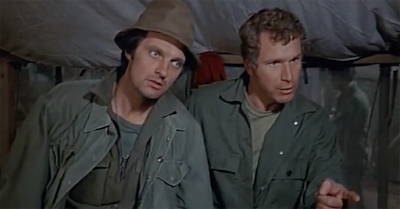
In the book, movie, and TV show M*A*S*H, we’re happy to have a martini-swilling, ultracynical hero like Hawkeye Pierce dropped into an uptight military base, where he can puncture all the gasbags and bring a breath of fresh air. In contrast, nobody is rooting for the Grinch to bring his cynicism to Whoville. Hawkeye is a hero because he’s just the right interloper to fill the vacuum he finds himself in. The Grinch is a villain because he’s the wrong interloper at the wrong time.

Heroes can’t be generically heroic. Writers are always trying to search for a universally applicable key to heroism. After all, when we seek ways to make our heroes more likable, we secretly hope we’re also gaining life skills for ourselves. Perhaps once we’ve discovered what makes Jimmy Stewart so likable, we can become just as appealing in our own lives!

But the truth isn’t as encouraging. It turns out the secret to creating a hero is often to simply make everybody around the hero look awful. As Rodney Dangerfield says in Back to School: “You want to look thin? Hang around fat people!” That’s not a solution writers will want to transfer to their real lives.

This seems, on first blush, like a very cynical and manipulative way to write. You’re tricking your audience into liking your heroes simply by placing them into an extreme world. You’re not playing fair. You’re stacking the deck!

But this actually makes good sense. In fiction, as in life, nobody gets any credit for doing what everybody else is doing. Most stories aren’t about morals, which are universal; they’re about ethics, and ethics are entirely relative. In the same way that actions are only heroic if they’re hard to do, personality traits are only admirable if you have to go against the grain to act that way.

The 40 Year Old Virgin

YES, the other characters all seem sleazy by comparison.  Even Trish is much coarser than he.

Alien

YES, no one else respects quarantine.  Everyone else loses it at some point.

An Education

YES. At first. All of her friends, family, and teachers seem dull. Then she subsumes herself to the crooks, unwilling to outshine them, though she could if she tried.

The Babadook

YES. Nobody else understands or loves her son. (Although she also fails at both to a certain extent.)

Blazing Saddles

YES. His fellow track layers lack his self-confidence, his townsfolk lack his smarts.

Blue Velvet

YES. nobody else would have noticed the ear or other things he spots.  No one but he would have discovered the cop was a crook.

The Bourne Identity

YES. all of the other spies are less moral than he, all of the other civilians lack his talents.

Bridesmaids

YES. She’s got more perspective about life, more self-awareness. It’s like no one else can hear themselves talk.

Casablanca

YES. they’re all lowlife schemers who lack his sophistication, (until Ilsa and Victor come in, who lack his sketchy connections).

Chinatown

YES. Even his assistants lack his resourcefulness and eye for detail.

Donnie Brasco

YES.  no one else, in the feds or the mob, has his self-control and discipline.

Do the Right Thing

YES. No one else is willing to bridge the two worlds.

The Farewell

YES. No one around her wants to tell the truth. 

The Fighter

YES. Everybody, even Charlene, is loud but he’s quiet.  Nobody else has his earning potential.

Frozen

YES. Everyone else (except Olaf) is far more cynical, and lacks the pure love that will save the day. 

The Fugitive

YES. no one around him has his empathy. When he tries to help the guard, the other guard the other convict both have total contempt for him. (Cop: “The hell with you.” Criminal: “Kiss my ass.”)

Get Out

YES. Rod lacks his chill, but Rod is totally proven right.  Rose lacks his racial awareness.  

Groundhog Day

YES. His co-worker and the townspeople all seem especially dippy, which makes us side with him at first.

How to Train Your Dragon

YES. The others are all meatheads.

In a Lonely Place

YES. only he is kind to the drunk, only he speaks his mind.

Iron Man

YES. Nobody is as laid back as him. They’re all somewhat uptight, even Pepper and Rhodey.

Lady Bird

YES. Her best friend lacks her confidence.  Her family lacks her ambition. 

Raising Arizona

YES. Most lack his inclination to fly right (even Ed and her sister and brother-in-law).  He’s the ex-con, but everybody has a little larceny in their heart (although, like him, everybody is won over by Nathan Jr.) 

Rushmore

YES.

Selma

YES. SNCC lacks his organizing prowess.  Johnson lacks his moral clarity, etc. 

The Shining

YES. Jack has no best quality.  Danny: Yes.

Sideways

YES. They all seem dopey in contrast to his cynicism.

The Silence of the Lambs

YES. Everybody else is far more proud and arrogant.

Star Wars

YES. Only he is pure enough to tap into the force and self-taught enough to make the shot. 

Sunset Boulevard

YES. everyone else (Norma, Max, Betty) is still enamored of the glamour of Hollywood.  Only he sees through it.

Monday, December 20, 2021

Episode 35: Co-Authoring and Transgression with Keir Graff and Linda Joffe Hull

Welcome back to “The Secrets of Story Podcast”! This time, a whopping two guests join us to discuss the feat of co-authoring three thrillers as “Linda Keir”, including “The Swing of Things”, which leads to a discussion of whether or not transgression need always be punished in American literature.

Friday, December 17, 2021

The Expanded Ultimate Story Checklist: Does the hero have general rules for living that he clings to (either stated or implied)?

So far, we’ve focused on how you would define your characters, but you also need to know how they would define themselves. 

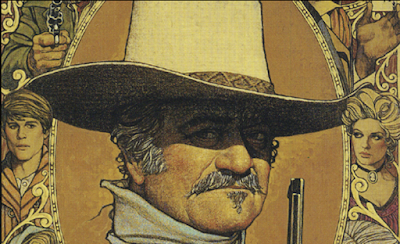
You need to ask yourself, What are the rules they live by? Every character has these, though most don’t state them out loud the way John Wayne does in The Shootist: “I won’t be wronged, I won’t be insulted, and I won’t be laid a hand on. I don’t do these things to other people, and I require the same from them.” In Margin Call, Jeremy Irons has a far more cynical philosophy: “Be first, be smarter, or cheat.”

Stick to what the people would actually say if asked. Nothing like “I can’t stand germs,” or “I don’t like kids,” or “I’ll never get off the couch.” Those may be the real rules that actually define a character, but the purpose of this exercise is to get to know their self-image.

Once you’ve got your rules, you can start playing with them. Which rules are they forced to break over the course of the story? Which ones should they break but are too proud to do so? Which rules are they just deluding themselves about, since they’ve never really followed them?

The advantage of listing these rules is that doing so forces you to listen to your characters and allow them to define themselves. It’s easy for characters to become just a bundle of flaws: a false goal, a false statement of philosophy, a limited perspective, and a long host of ironic failings. But they don’t know that. They’re just living their lives, doing their own things in their own time, so you need to know what those things are, as they see it.

Rulebook Casefile: The Hero Should Have Three Rules He Lives By in Selma

All heroes need special skills, so that they’re not just reacting the way an “everyman” would react. They need to have their unique volatility: Only this hero would have reacted this way to this challenge. That’s why we root for them.

King doesn’t know karate, and he never uses a blowtorch to build himself a tank. In his case, his specials skills overlap with another thing it’s good for every hero to have, three rules he lives by: “We negotiate, we demonstrate, we resist.” He has learned these rules slowly and painfully, over the course of some campaigns that failed and others that succeeded. They are pithy and definitively stated. He will brook no counterproposals.

Obviously, not every great hero has a list of three they enumerate, but many do, and most heroes have a list like this implied if not stated. This fits into another thing most heroes have, a default argument tactic. Heroes should be specific, both so that we believe in their reality and so that we can invest our hopes in them alone: Specific language, specific tactics, specific ethos.

The 40 Year Old Virgin

YES. Keep your head down, avoid conflict, avoid women.

Alien

YES. Stick to procedure, do it myself, I deserve respect.

An Education

YES. Study hard, be smarter than others, get ahead, but she rejects #1 early on.

The Babadook

YES. I can handle it, don’t tell me how to raise my son, look forward.

Blazing Saddles

YES. Implied: I can win anybody over, I’ll shake it off, There’s a smarter way to do this.

Blue Velvet

YES. Look under rocks, you only live once, I can get away with anything

The Bourne Identity

YES. identify the exits, identify the threats, avoid capture

Bridesmaids

NO. Not really. She doesn’t really have much of a self-image, or self-esteem, or set of principles. Maybe: “I deserve better.” (The most self-destructive rule one can have)

Casablanca

YES. Don’t get involved, everything is amusing, don’t buy and sell human beings.

Chinatown

YES. Respect the client, don’t accept being lied to, be superior. 

Donnie Brasco

YES.  “Don’t say nothing unless there’s a reason for it.” Always stay in character.  Be the colder one.

Do the Right Thing

YES. Gotta get paid, don’t mess up my business, don’t put up with mistreatment

The Farewell

YES. Truth is better than lies, action is better than inaction, the American way is better than the Chinese way. 

The Fighter

YES. “I’m no stepping stone, that’s not who I am, the next one’s gonna show who I am.” Nobody better mess with my family. “I’m gonna pick my punches.” “I’m a boxer, not a brawler.”

Frozen

YES. This’ll be easy, I need love quickly, I need Elsa.  (The first two turn out to be problematic, but not the third one.)

The Fugitive

YES. Figure it out, help others, rely on yourself. 

Get Out

YES. I can make this work, I am an observer, I shouldn’t be so paranoid. 

Groundhog Day

Sort of: Be funny, tolerate no sentiment, I deserve a bigger spotlight

How to Train Your Dragon

NO. Not really. He’s very open to change. Just one, maybe, something like “I can build something to solve this.” 

In a Lonely Place

YES. One day I’ll write something great, I won’t be insulted, I must never show my real emotions.

Iron Man

YES. Live well, be smarter, be cool

Lady Bird

YES. I don’t even want to go to school in this state anyway, I hate California. I want to go to the East Coast.”

Raising Arizona

NO. He thinks he does (he has vague notions about what it means to be a man) but in reality he gets pulled in different directions and talked out of things easily.

Rushmore

YES. Do more.  Impress everyone.  Prove I’m smarter.

Selma

YES. “We negotiate, we demonstrate, we resist.”

The Shining

No, Jack’s lost and has no self-image.  Danny doesn’t really either.

Sideways

YES. “I AM NOT DRINKING MERLOT!” I’m too good for this (job/girl/situation), etc.

The Silence of the Lambs

YES. Be humble, work hard, get ahead

Star Wars

YES. I deserve better, I know what I’m doing, It can’t be that hard.

Sunset Boulevard

NO. He stands for nothing.  He has no self-image.